Home › Reverse engineering
Reverse engineering
Reverse engineering, to remake what already exists.
We measure, model and remanufacture an existing part or machine, whether a supplier has failed, a part is obsolete, a machine needs upgrading or you need a benchmark, while respecting intellectual property.
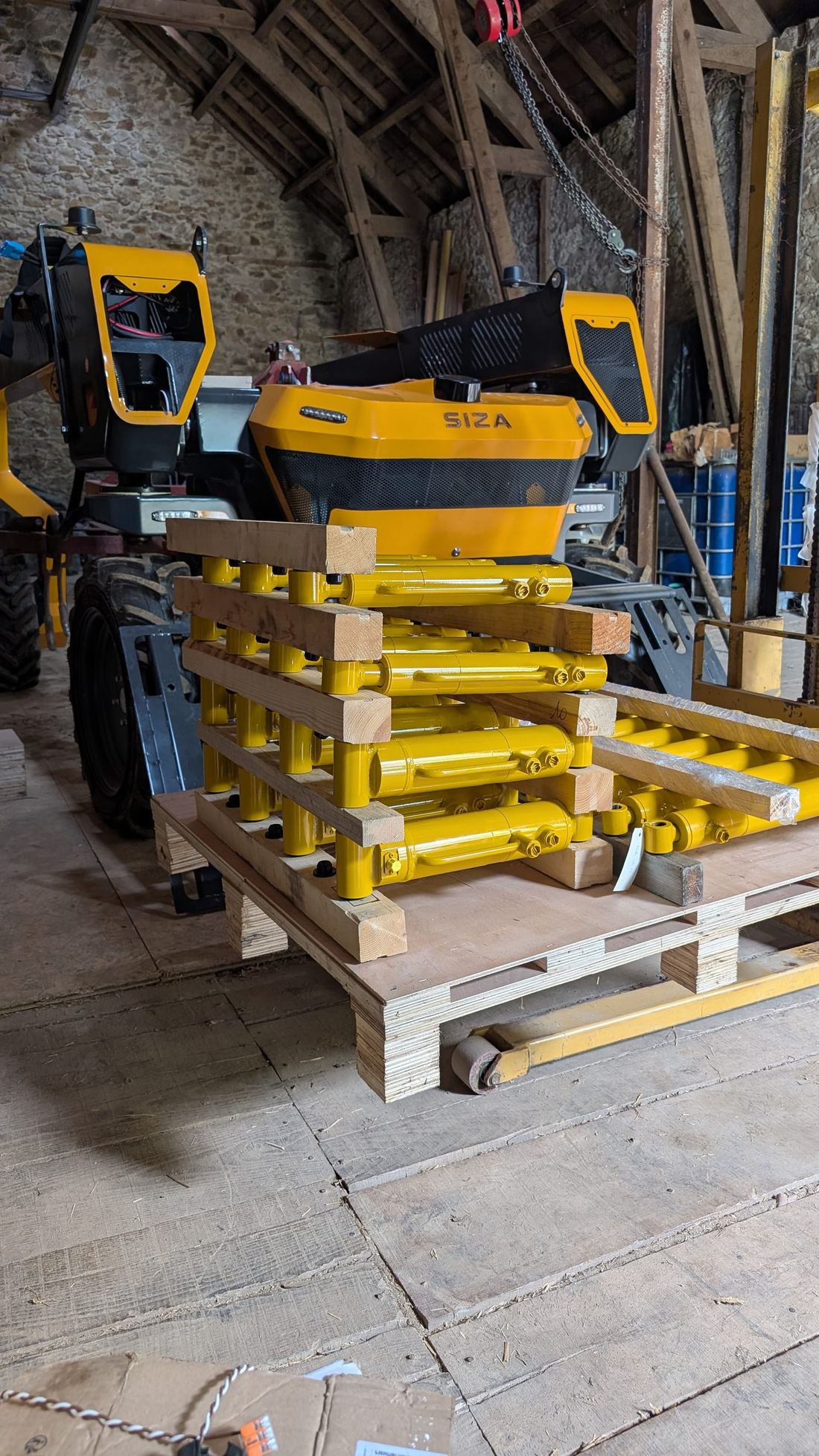
At a glance
Reverse engineering means rebuilding the technical definition of an existing part or machine (geometry, materials, operation) in order to remanufacture it, upgrade it or analyze it.
- Measurement of parts and subassemblies
- 3D modeling and manufacturing drawings
- Remanufacturing in our workshop or at your suppliers
- Obsolete parts and failed suppliers
- Starting point for upgrading a machine
- Respect for intellectual property
When reverse engineering becomes essential
A supplier goes out of business, a part is no longer available, the drawings of an old machine have been lost. Reverse engineering rebuilds the technical definition of a part or assembly so it can be remanufactured or upgraded.
We measure the existing part, model it in 3D, produce the manufacturing drawings and, if needed, make the parts in our workshop or qualify a new supplier.
Use cases
Obsolete part
Rebuild the definition of a part that is no longer made.
Failed supplier
Remanufacture or requalify a source of supply.
Machine upgrade
Starting point for electrifying or robotizing an existing machine.
Benchmark
Technical analysis of a product, respecting intellectual property.
Hydraulics
Mapping of existing circuits and valve blocks.
Remanufacturing
Production in our workshop or at your suppliers.
Our reverse engineering process
- Scoping: objective (remanufacturing, upgrade, analysis), intellectual property rights, required level of accuracy.
- Measurement: dimensional measurements, identification of materials and treatments, mapping of hydraulic or electrical circuits where relevant.
- Modeling: 3D model, functional tolerances, manufacturing drawings.
- Improvement: fixing observed weaknesses, adapting to available processes, cutting cost.
- Validation: production of a test part, inspection, fitting and testing on the machine.
Beyond copying: a chance to improve
Remaking a part identically also reproduces its flaws. Because we are designers as well, we use the measurement phase to analyze why the part broke or wore out, and propose an improved version where needed: material, thickness, process or geometry.
Reverse engineering is also often the first step in a larger project: electrifying, automating or robotizing an existing machine whose drawings are no longer available.
Frequently asked questions
Is reverse engineering legal?
In many cases it is, for example to maintain equipment you own or for a part you hold the rights to. We review the intellectual property framework with you before every project.
Do you deliver the drawings?
Yes. The 3D models and manufacturing drawings are handed over to you.
How accurate is the measurement?
It depends on what the part does. Functional dimensions (bores, bearing surfaces, interfaces) are carefully measured and toleranced, and non-functional areas more simply. We set this level with you during scoping.
Let's talk about your project.
A first 30-minute call with a technical lead, with no commitment.